 GVLResolve
Greenville, SC
Private Estates & Communities
Curated neighborhoods across Upstate South Carolina, from riverfront master-planned communities to gated mountaintop enclaves.
Greenville, SC
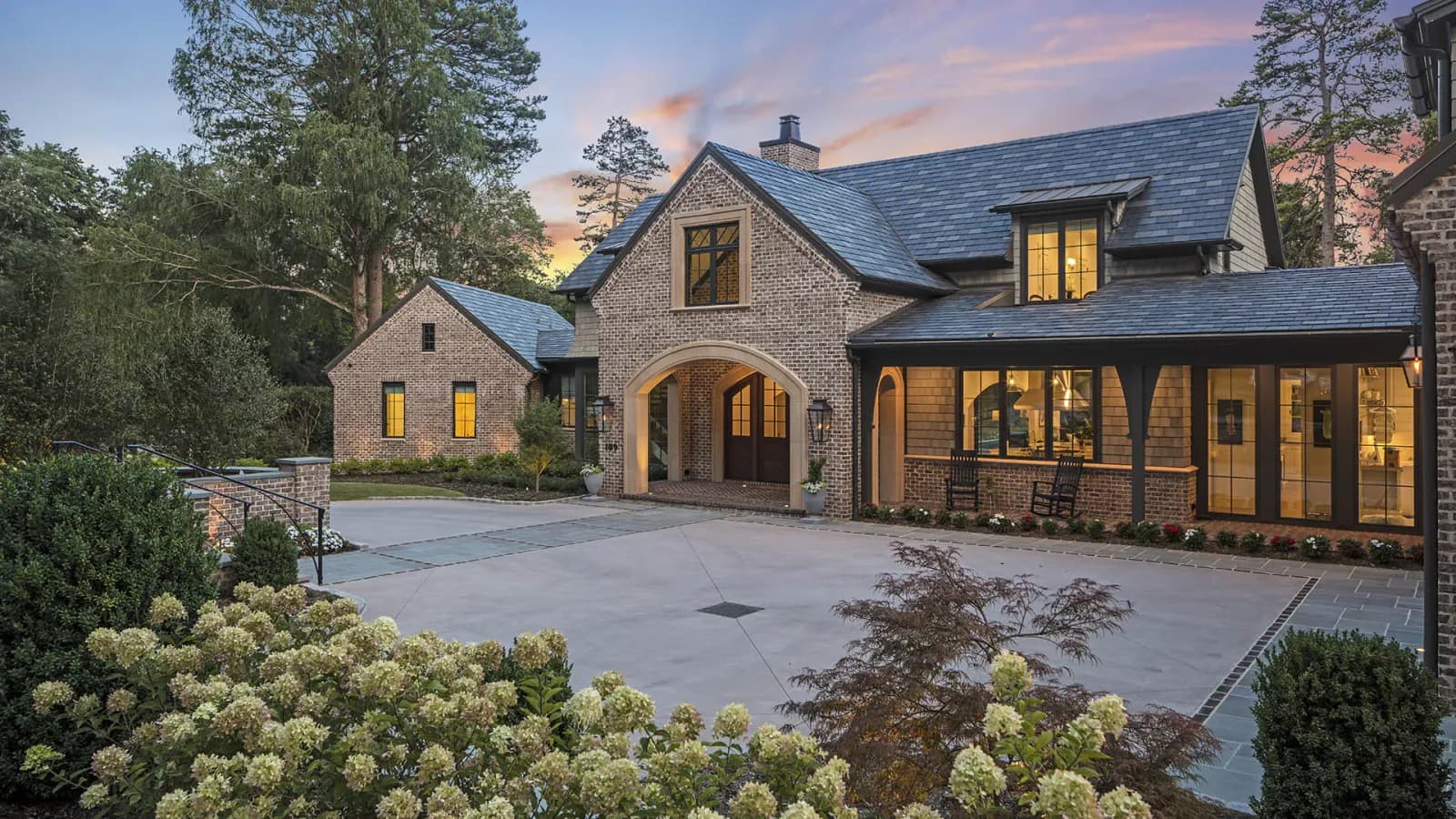
Chanticleer
A polished Greenville neighborhood with rolling wooded streets, mature landscaping, executive homes, social gatherings, and quick access to Augusta Road, downtown Greenville, hospitals, and nearby club amenities.
Price Range
$300K – $1M+
Home Types
Custom homes + Townhomes
Setting
In-town
Piedmont / Greenville, SC
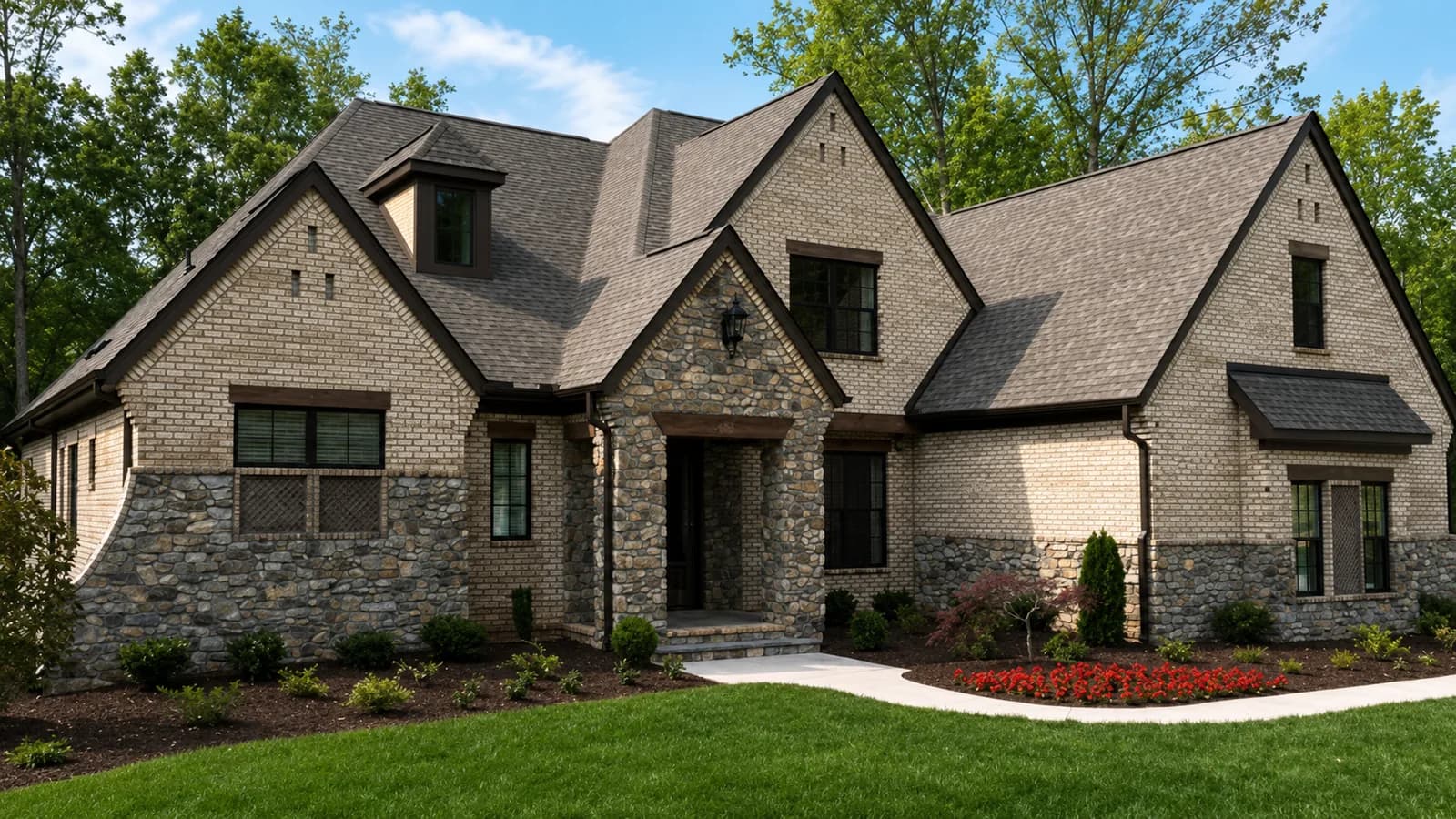
Acadia
A Saluda River community near Greenville where trails, pools, courts, gardens, and gathering spaces create an outdoor neighborhood feel around townhomes, cottages, custom homes, and estates.
Price Range
$600K – $1.57M
Home Types
Custom homes
Setting
Master-planned
Greenville, SC
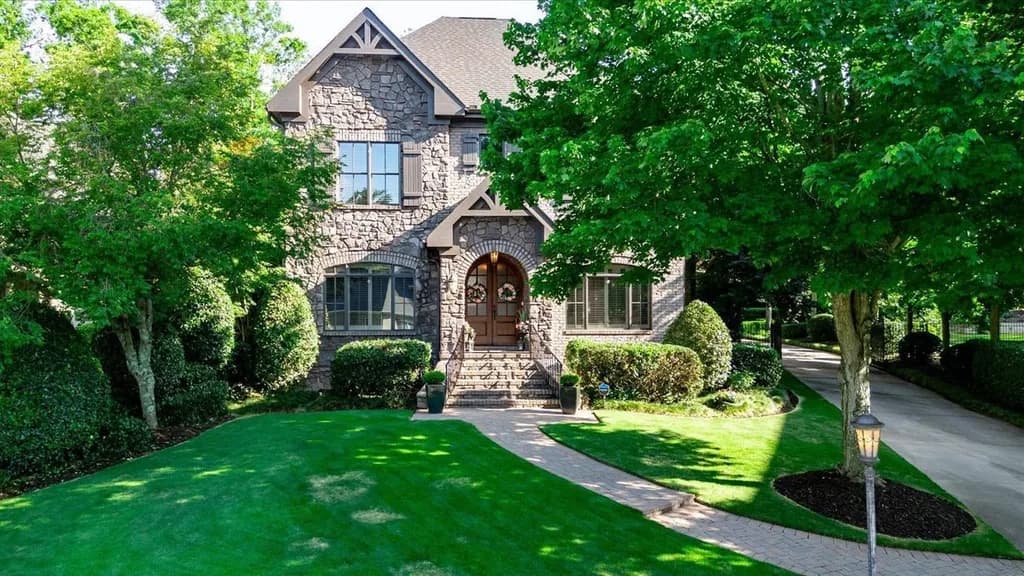
Claremont
Claremont combines custom estate homes, a resident pool and clubhouse, walking trails, and gated privacy with convenient access to Greenville and GSP Airport.
Price Range
$1.2M – $1.65M+
Home Types
Custom homes
Setting
Gated enclave
Travelers Rest, SC
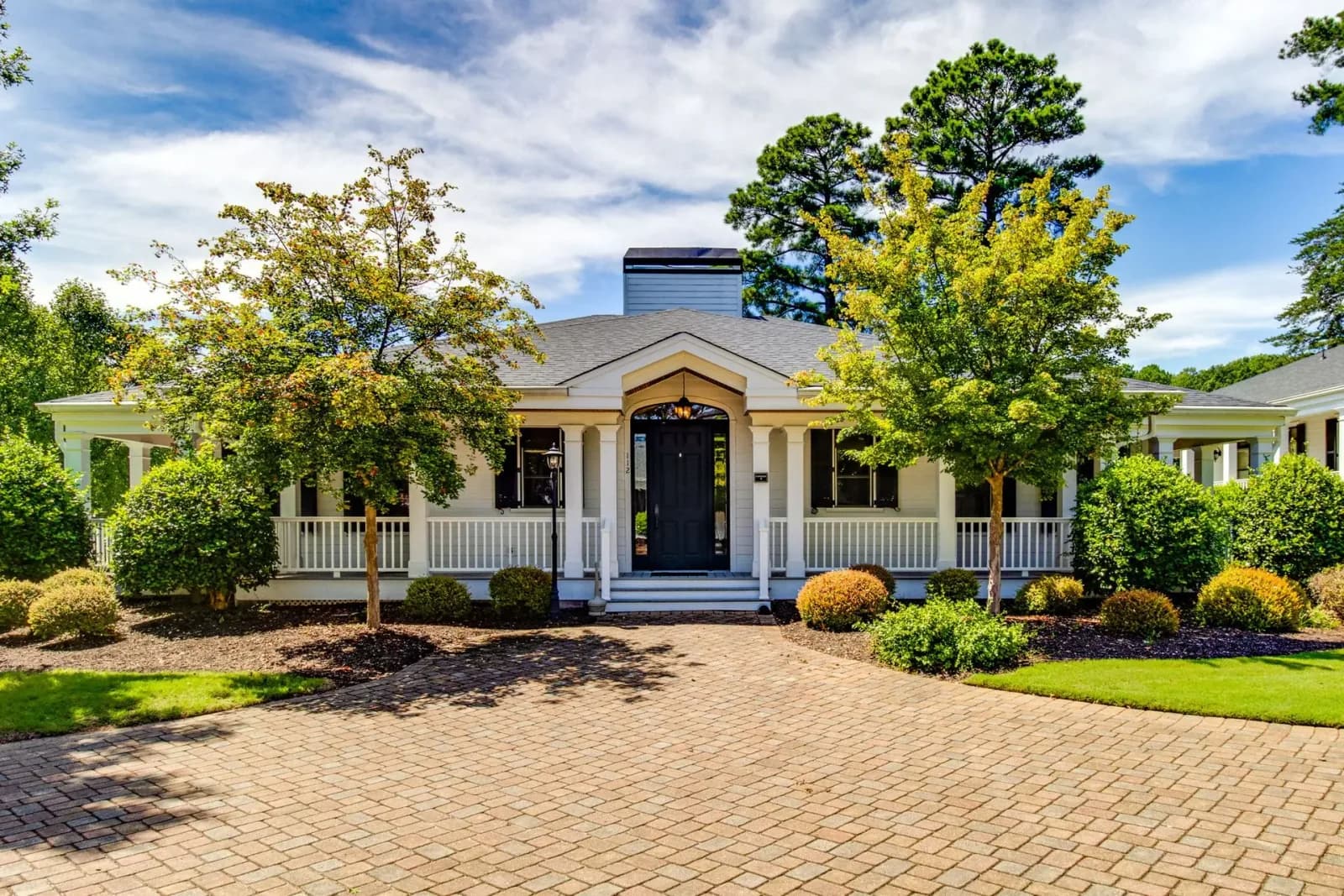
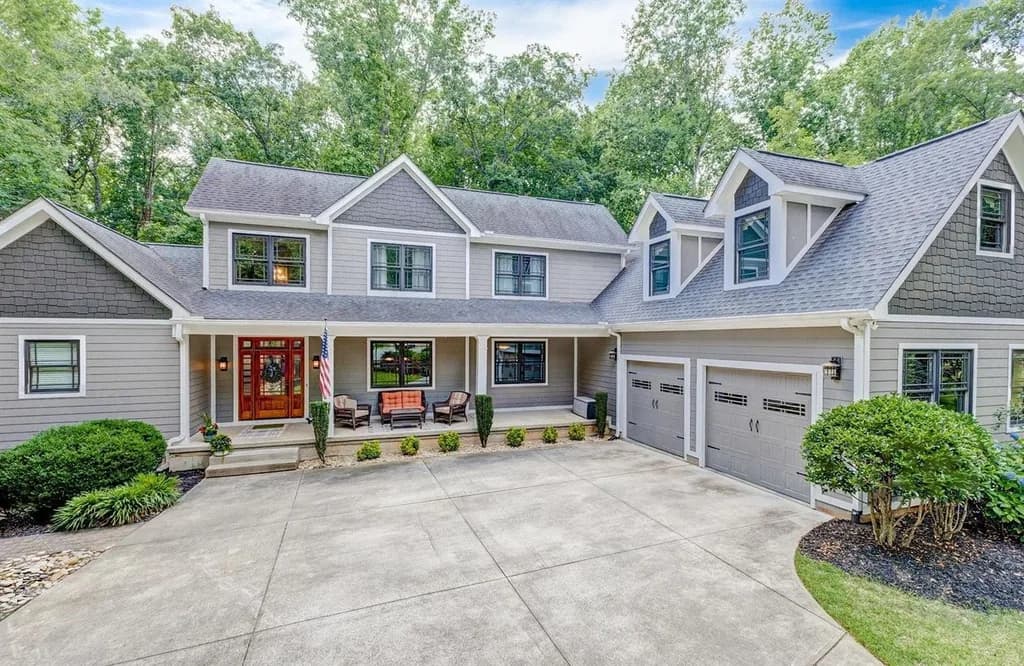
Cherokee Valley
A Travelers Rest foothills community built around Cherokee Valley Club, with golf, dining, a family pool, walking and biking trails, cottages, homesites, and a relaxed mountain-area recreation feel.
Price Range
$300K – $1M+
Home Types
Golf-centered foothills
Setting
Golf community
Taylors, SC
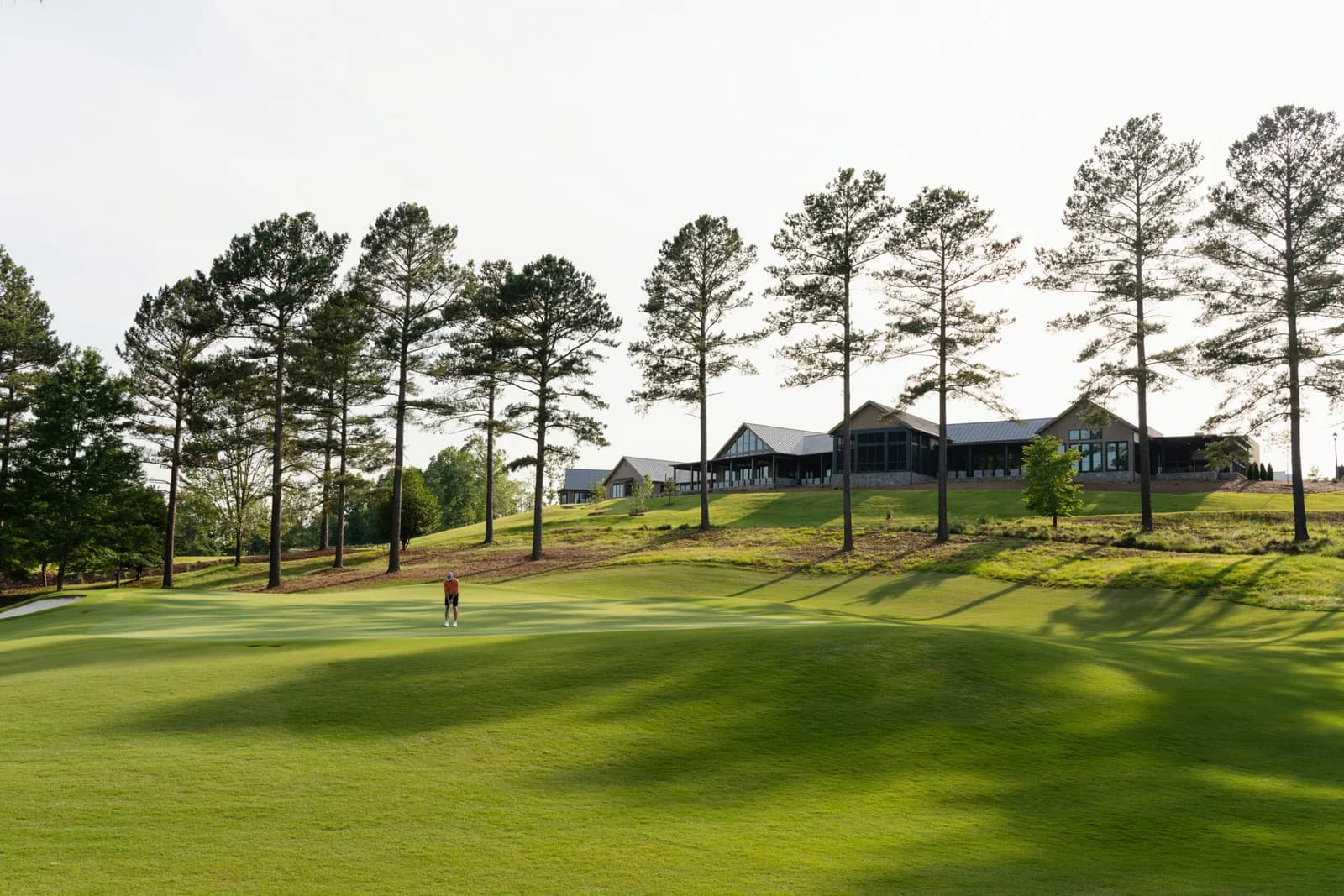
Pebble Creek
A large Taylors community with established streets, golf-centered surroundings, a swim club, seasonal neighborhood events, and a mix of detached homes, townhomes, and condos near Greenville, Greer, and Paris Mountain.
Price Range
Mid-$100Ks – $950K+
Home Types
Townhomes
Setting
Golf community
Upstate SC / Western NC
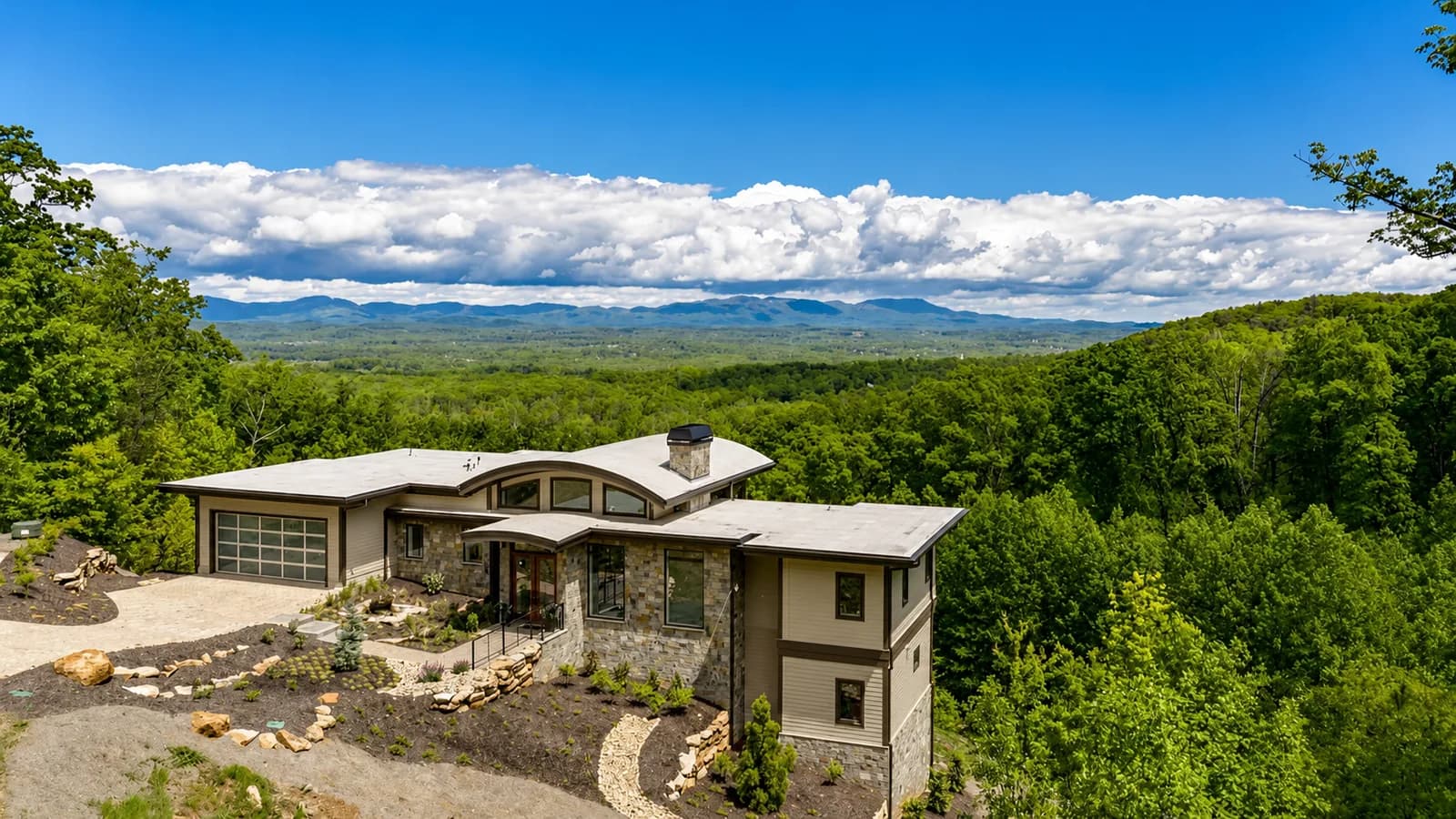
The Cliffs Communities
A Blue Ridge club-community network built around mountain scenery, golf, wellness, dining, trails, lake access, social clubs, and luxury homes across communities including Glassy, Mountain Park, and Valley.
Price Range
Homes $800K – $4M+
Home Types
Luxury mountain
Setting
Mountain community
Greenville, SC
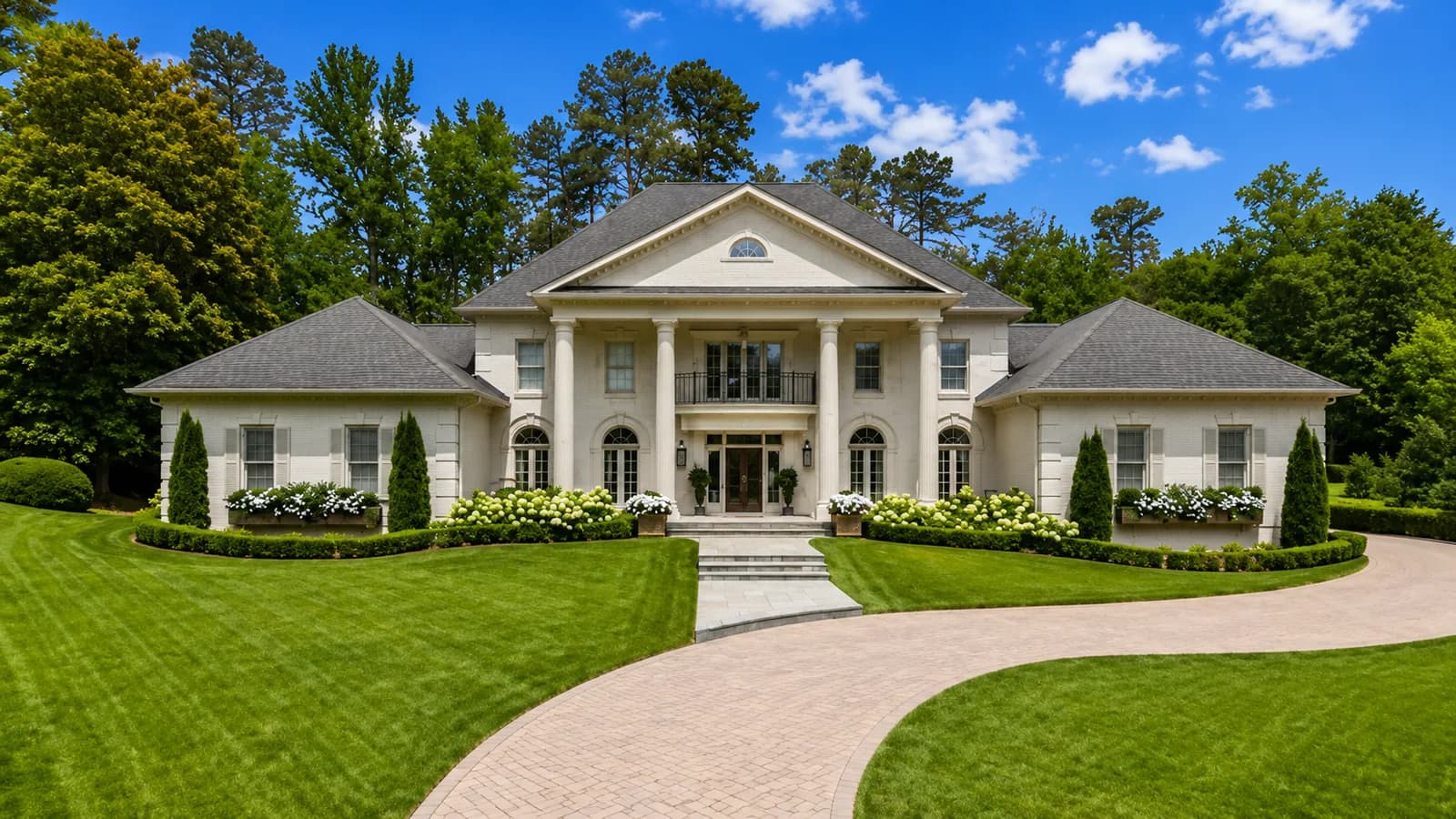
The Ridges at Paris Mountain
A small Paris Mountain custom-home community where panoramic Blue Ridge views, gated entry, contemporary architecture, community garden space, and nearby state-park access create a private mountain setting close to Greenville.
Price Range
Pricing varies
Home Types
Custom homes
Setting
Mountain community
Greer, SC
Thornblade
An eastside Greer community centered around Thornblade Club, with golf, tennis, pickleball, pool life, mature landscaping, custom homes, and an executive neighborhood feel near Greenville, Greer, I-85, and GSP.
Price Range
$850K – $2.4M+
Home Types
Custom homes
Setting
Golf community
Greenville, SC
Montebello
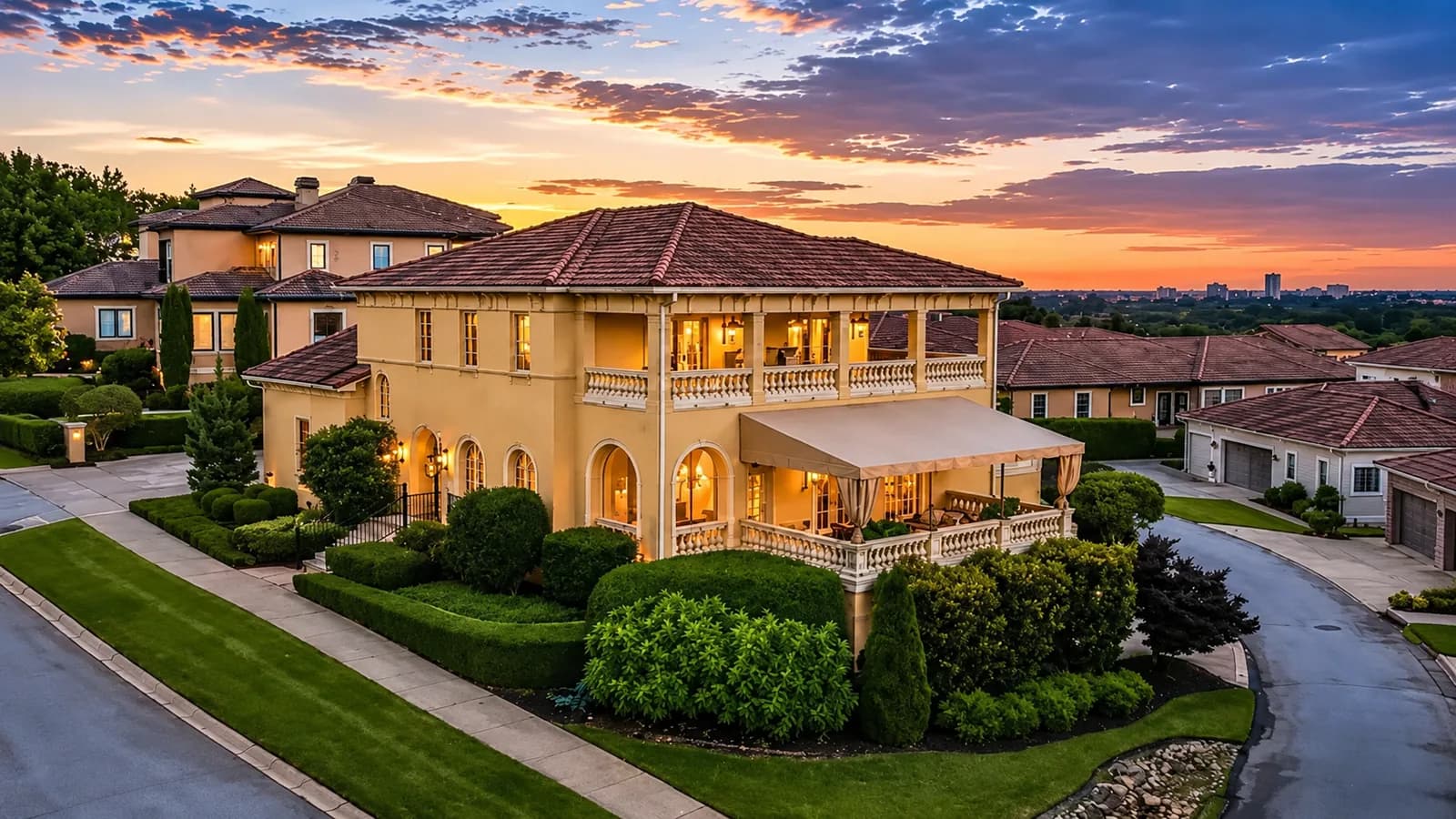
Montebello gives Greenville buyers a hillside, gated setting near Paris Mountain with private roads, views, parks, pools, Lake Como, and several home types inside the same community.
Price Range
Pricing varies
Home Types
Custom homes
Setting
Gated enclave
Relocation guide
Moving to Greenville, SC: What to Know Before You Relocate
A practical look at Greenville's city feel, four-season weather, hospitals, recreation, and daily-life tradeoffs before you choose where to live.
Greenville offers a compact, active downtown and quick access to trails, parks, lakes, and the Blue Ridge foothills, but everyday life outside the center is still largely car-oriented.
Moving to Greenville is not just a question of whether you like Falls Park or enjoy a weekend on Main Street. A good relocation decision also depends on how the city works on an ordinary Tuesday: your commute, access to healthcare, tolerance for summer humidity, preferred social pace, and distance from the activities you will use regularly.
This guide brings those pieces together so you can evaluate Greenville as a place to live, not simply a place to visit.
Is Greenville a good fit for your move?
Greenville tends to appeal to people who want a middle ground between a large metropolitan area and a quiet small town. The downtown core is walkable and active, while surrounding neighborhoods and nearby communities offer a more suburban or small-town rhythm.
Greenville may be a strong fit when you value:
- A lively but manageable downtown
- Easy access to greenways, parks, lakes, and mountain day trips
- Four distinct seasons without a typically harsh winter
- Multiple hospital systems and pediatric specialty care
- A mix of arts, food, family activities, and outdoor recreation
- Nearby communities with different housing patterns and daily routines
The city feel: downtown energy with a smaller-city scale
Downtown Greenville is the region's most visible calling card. Main Street is tree-lined and pedestrian-friendly, with restaurants, shops, public art, hotels, coffee shops, and entertainment venues concentrated within a relatively compact area. Falls Park on the Reedy and the Liberty Bridge give downtown a natural centerpiece that feels integrated into the city rather than separated from it.
Outside downtown, Greenville becomes more spread out. Areas such as West Greenville, Augusta Road, Travelers Rest, Greer, Mauldin, Simpsonville, and Fountain Inn each have a different mix of older neighborhoods, newer development, local commercial centers, parks, and commuting patterns. Two homes with the same city label can create very different daily routines depending on road access and distance from work, school, healthcare, or family.
Culture and community life
Greenville's public identity blends Southern hospitality with a more contemporary food, arts, and business scene. The Peace Center, Heritage Green museums, galleries, theaters, and annual arts and food events give the city a cultural footprint larger than its physical scale might suggest. A practical approach for newcomers is to identify two or three recurring activities before you move rather than relying on one-time events to build community.
Weather: four seasons, humid summers, and significant pollen
Greenville has four recognizable seasons, but the local version is different from what newcomers may know in the Northeast, Midwest, or coastal South.
Spring
Usually mild and visually striking, with flowering trees and comfortable conditions for walking, biking, festivals, and hiking. It is also a major tree-pollen season. People with allergies should plan for closed windows on high-pollen days, air filtration, and medication.
Summer
Hot and humid, with daytime temperatures commonly in the 80s and 90s. Humidity can make outdoor activity feel harder than the temperature alone suggests. Thunderstorms are more common in the warmer months.
Fall
Often one of the most comfortable times of year. Temperatures cool, humidity eases, festivals remain active, and the foothills provide easy access to seasonal color. Ragweed can still affect allergy sufferers.
Winter
Generally mild, with many days suitable for normal outdoor activity in a jacket. Snow and ice are uncommon, but the region has less winter-weather infrastructure than colder climates, so even small events can affect roads and schedules.
Healthcare access: two major systems and strong pediatric resources
Greenville is served by two major systems. Healthcare is a particularly important relocation factor for households managing chronic conditions, pregnancy, pediatric specialty needs, or regular specialist visits.
Prisma Health
Greenville Memorial Hospital at 701 Grove Road is roughly two miles from central downtown and includes a Level I adult trauma center, pediatric trauma services, transplant care, maternity and neonatal services, heart and stroke care, cancer care, and behavioral-health services. Prisma Children's Hospital is on the same campus.
Bon Secours St. Francis
St. Francis Downtown at 1 St. Francis Drive is a full-service hospital near the downtown core. St. Francis Eastside at 125 Commonwealth Drive serves the eastern side of Greenville with emergency, surgical, and specialty care.
Pediatric specialty
Shriners Children's Greenville at 950 West Faris Road focuses on pediatric orthopedics and rehabilitation, including scoliosis, limb differences, cerebral palsy, hip disorders, and related mobility needs.
What everyday life can look like
Greenville's strongest lifestyle advantage may be the number of different activities available within a relatively small region. The key is separating attractions you will visit once from amenities that can support your weekly routine.
The Swamp Rabbit Trail
The Prisma Health Swamp Rabbit Trail is one of Greenville's most-used amenities, a paved multi-use greenway that runs roughly 22 miles from downtown Greenville north through Travelers Rest and into the Blue Ridge foothills. Named after the historic Swamp Rabbit Railroad that once ran the same corridor, the trail is built for biking, running, and walking at any skill level.
Length
~22 miles, Greenville to Travelers Rest
Surface
Paved, accessible, lit in key stretches
Connections
Unity Park, Cleveland Park, Falls Park, and the Swamp Rabbit Cafe
Along the route, the trail passes restaurants, coffee shops, breweries, parks, and neighborhoods, making it practical for short errands as well as longer recreational rides. For some residents, living near the trail changes how often they exercise or how they move through the city on an ordinary day.
Parks, mountain streams, and open space
Greenville is unusually well served by parks for a city its size, with options that range from walkable downtown green space to mountain wilderness a short drive away.
Falls Park on the Reedy
Downtown anchor with the Liberty Bridge, waterfalls on the Reedy River, and walking paths through 32 acres of gardens and natural riverbank.
Unity Park
A newer 60-acre park near downtown with trails, a splash pad, playgrounds, a pedestrian bridge, and event space along the Reedy River.
Cleveland Park
A large Greenville park near the zoo, with trails, picnic areas, athletic fields, and direct access to the Swamp Rabbit Trail.
Paris Mountain State Park
A 1,500-acre state park five miles from downtown with hiking and mountain biking trails, swimming in Lake Placid, fishing, and cool streams in the summer.
Lake Conestee Nature Park
A 400-acre nature preserve with wetlands, wildlife, and trail loops along the Reedy River south of downtown Greenville.
Blue Ridge foothills and mountain streams
Within 30 to 60 minutes, the Blue Ridge Escarpment offers cold mountain streams, waterfalls, and trailheads. Jones Gap and Caesars Head State Parks provide access to some of the most rugged terrain in the Carolinas.
Arts, museums, sports, and family activities
Heritage Green brings the Children's Museum of the Upstate, the Upcountry History Museum, the Greenville County Museum of Art, and performance spaces into one campus. The Peace Center hosts touring productions, concerts, and community programming. Families also use the Greenville Zoo, Runway Park, and Greenville Drive baseball at Fluor Field.
Food, nightlife, and recurring events
Greenville's dining scene ranges from Southern cooking and barbecue to international restaurants, chef-driven concepts, food halls, and neighborhood spots. Recurring events, farmers markets, outdoor concerts, art festivals, and holiday events are a major part of local culture.
Transportation: walkable in the center, car-dependent beyond it
Downtown Greenville is one of the easiest parts of the region to navigate on foot. The central blocks are compact, sidewalks are generally broad, and many restaurants, offices, parks, and venues are close together. That walkability does not describe the entire metro area. Most residents rely on a car for commuting, grocery trips, medical appointments, school transportation, and travel between suburban communities. Greenlink buses and downtown trolleys provide useful service on selected routes but may not replace a car for every household.
Before you move: a practical checklist
- Drive your actual commute during the hours you will use it
- Compare total housing costs, not only rent or mortgage payment
- Confirm medical providers, hospitals, and prescriptions are covered by your insurance
- Review school assignments directly with the relevant district when applicable
- Check parking, HOA, pet, and vehicle rules for the property
- Plan for summer humidity, thunderstorms, and seasonal allergies
- Identify the parks, trails, cultural venues, or community groups you will use regularly
- Verify event dates, facility hours, and healthcare information before relying on them
- Complete brokerage, legal, inspection, insurance, and other professional reviews before a property decision
Ready to explore
Talk through your Greenville move
Compare areas, daily routines, and property options around the way you expect to live.